What IDX actually is
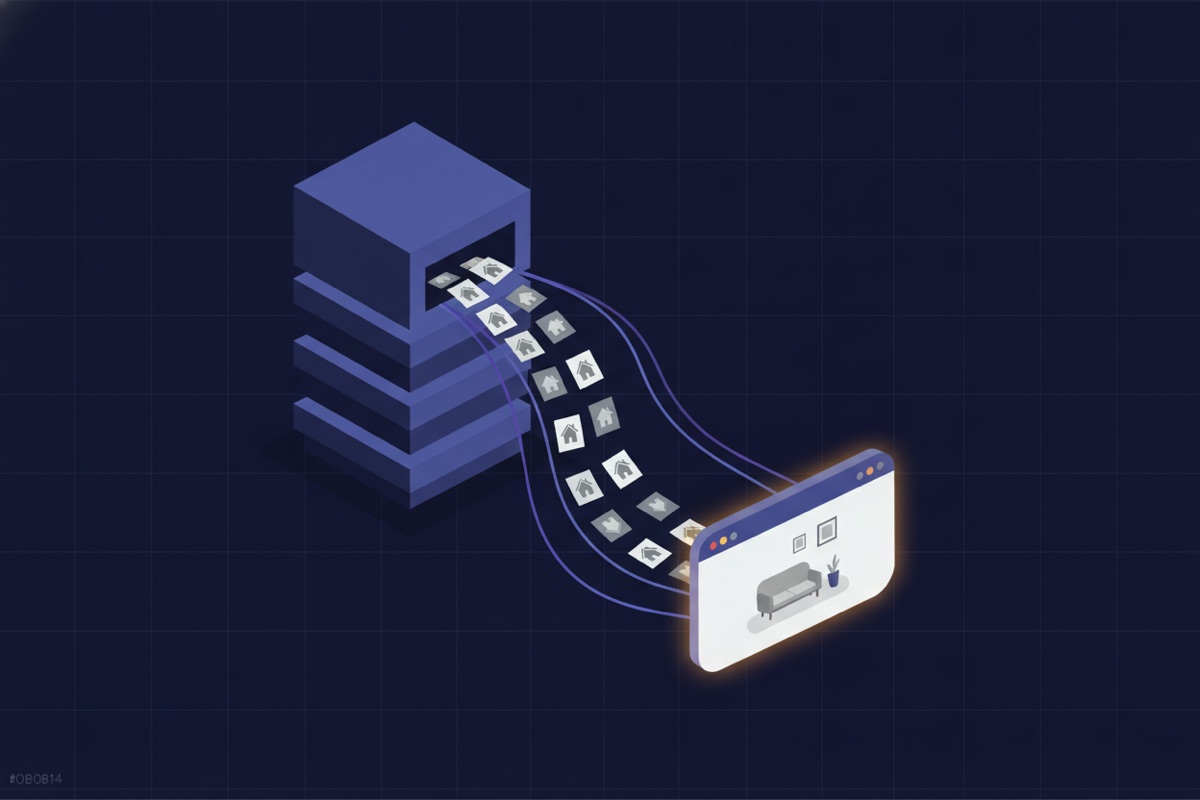
IDX is the arrangement under which MLS participants let each other display listings on their own websites. Practically, an IDX vendor connects your site to your MLS's data feed (modern feeds run on the RESO Web API standard) and renders searchable listings under your brand. It's how a solo agent's site can show every listing in the market, not just their own.
What it isn't: free, automatic, or unregulated. Expect MLS participation fees plus vendor fees — commonly $50–$100+ monthly depending on platform — and each MLS imposes display rules (attribution, update frequency, disclaimers) your vendor must honor.
The case for IDX — and who it's actually for
The genuine value is buyer-lead capture and nurture: visitors register to save searches and favorites, generating alerts that keep them returning to your site instead of a portal. Teams running buyer-heavy pipelines with real follow-up systems convert this well — the saved-search email is a legitimate nurture channel, and time-on-site from browsing is real engagement.
The honest caveat: you're offering a worse version of an experience buyers already have. Zillow's app is better than any agent site's search — buyers use both, and yours is rarely primary. IDX works when it's a capture-and-nurture tool attached to a strong site, not when it IS the site.
The case against — and the test
For listing-focused agents, IDX often subtracts: it costs monthly, it makes your site look like a generic portal clone, and badly implemented it floods your domain with thousands of thin, duplicate search pages that dilute the authority your neighborhood pages are building. Sellers choosing a listing agent aren't evaluating your search widget — they're evaluating your expertise and proof.
The test: would removing listing search change what your ideal client hires you for? If your business is buyers and you'll work the nurture, IDX earns its fee. If your business is listings and authority, spend the same money on content and reviews.
If you add it, add it right
- Noindex the thin pages. Auto-generated search-result and cookie-cutter listing pages shouldn't compete with your real content in Google's eyes — your vendor should support this; ask before signing.
- Keep authority pages primary. Navigation should lead with your neighborhoods, services, and content; search is a feature, not the homepage.
- Own the frame. Prefer implementations on your own domain (not iframed subdomains) so any equity accrues to you — a standard consideration in how we scope website builds, where IDX is optional by design.
- Mind the exit. IDX vendors are subscriptions; know what happens to your URLs if you switch.